
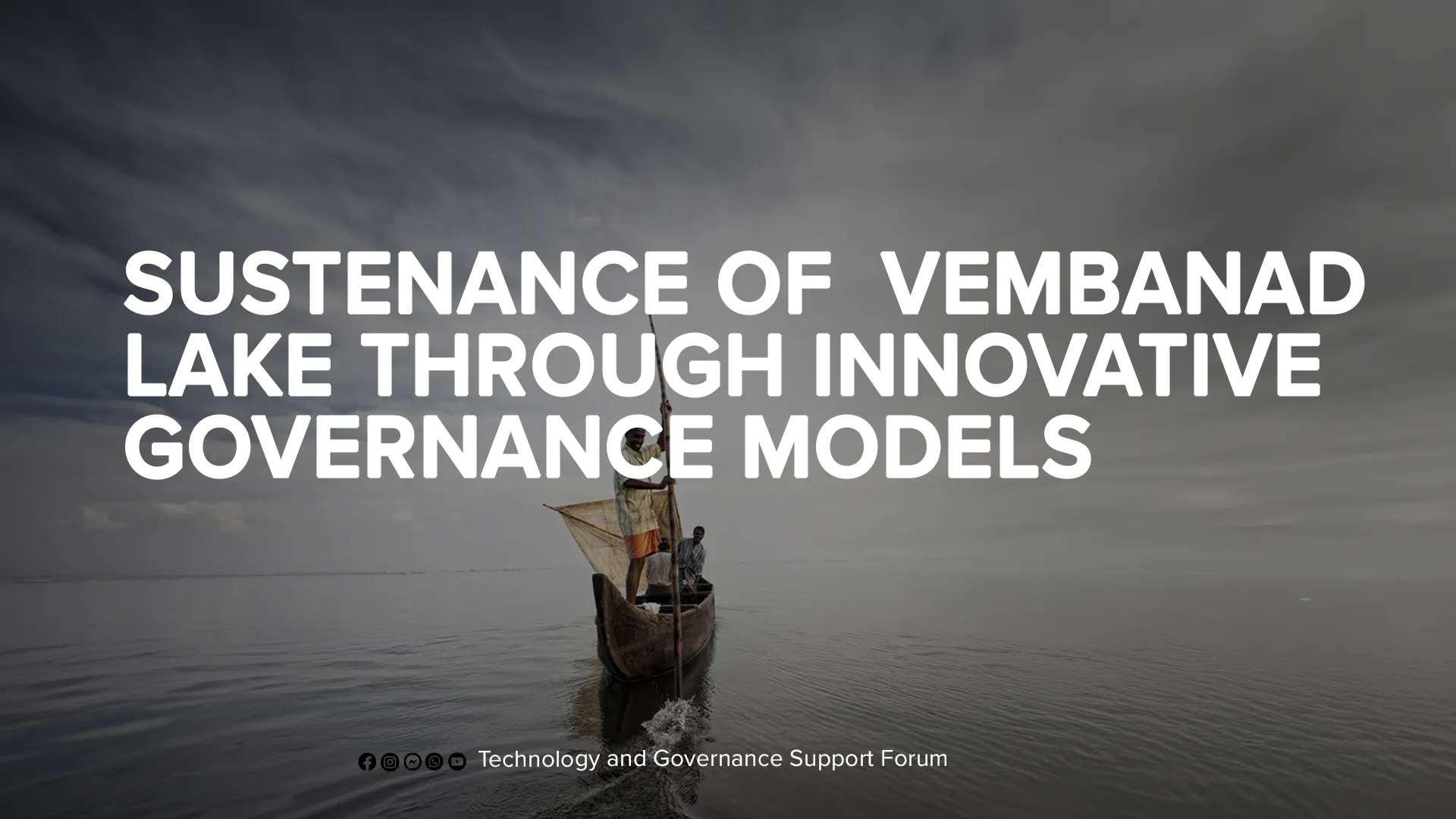

Beneath the Backwaters: A Field Perspective on Dredging at Punnamada
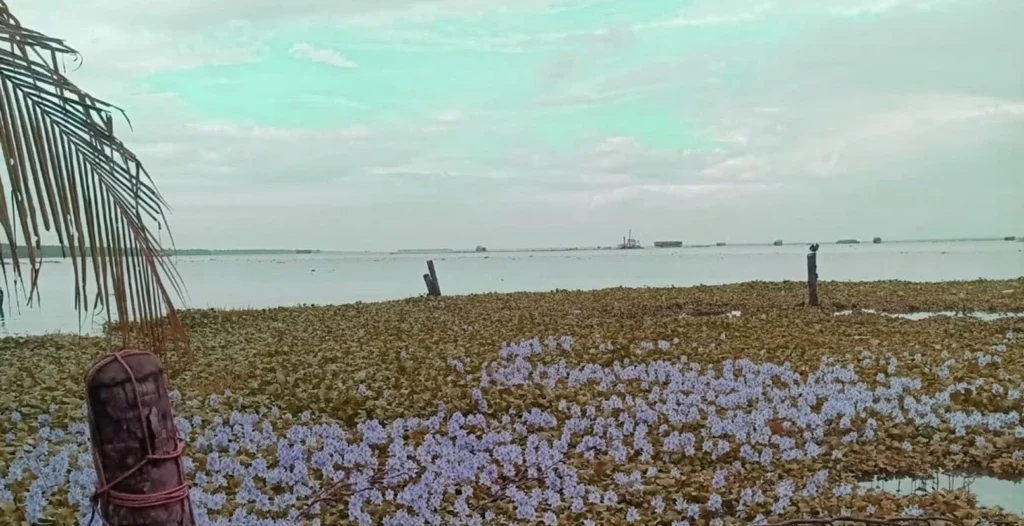
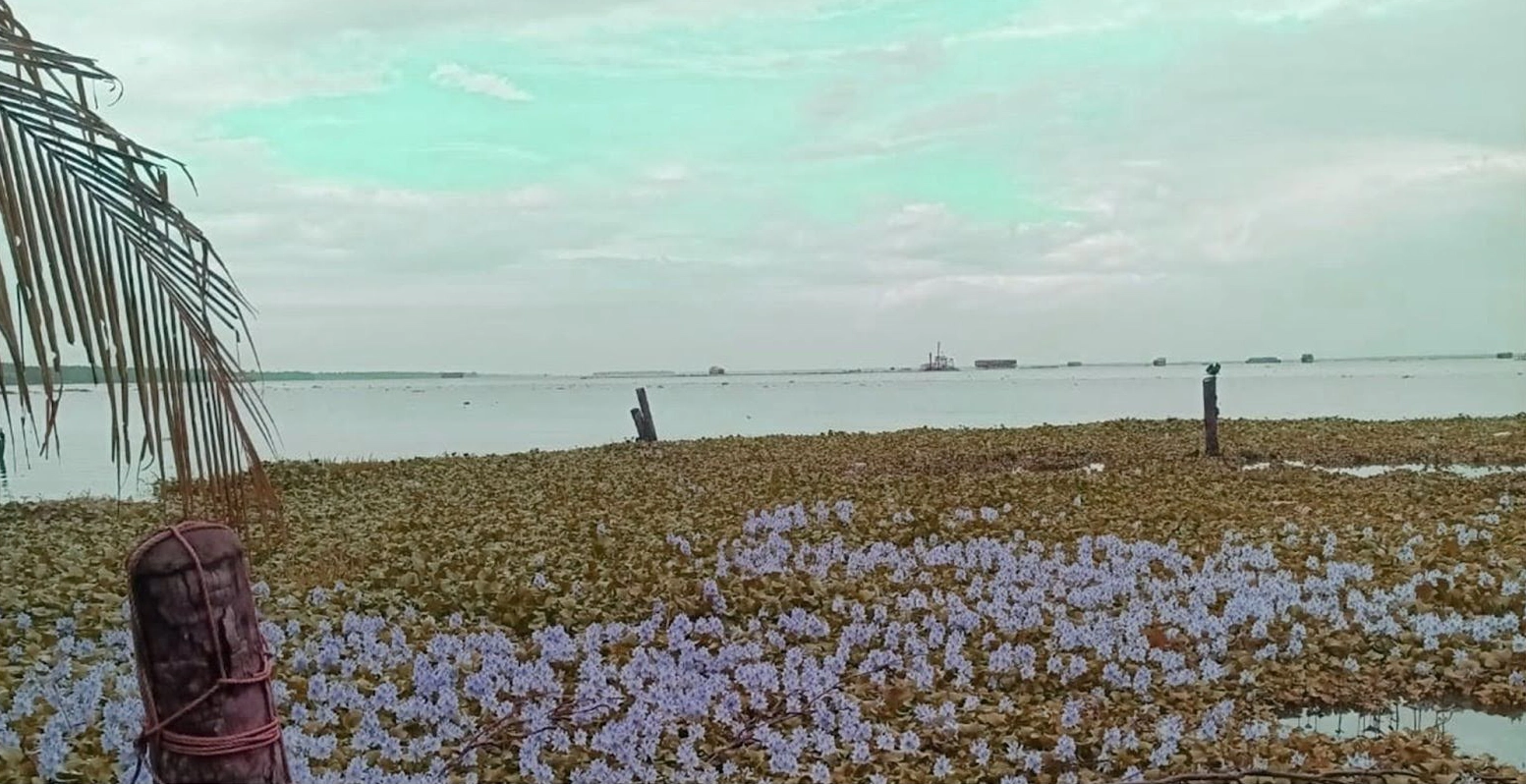
Vembanad Lake, Kerala’s longest backwater stretch and a Ramsar-recognised wetland, is widely known for its scenic calm. Recently, near the Punnamada Finishing Point, where houseboats glide by and fishing communities continue long-standing traditions, the lake has been witnessing large-scale operational activity as part of ongoing developmental interventions in the region. Rather than functioning as just another construction task, this work supports major regional infrastructure while also helping restore depth to a lake that has been steadily growing shallower. As the work moves forward and its impacts unfold, the situation calls for thoughtful coordination to ensure that development, ecology, and daily life around the lake continue to coexist harmoniously.
Why Dredge Vembanad?
The ongoing dredging at Aryad is intended to provide the large volume of sand needed for the construction purposes of the NH 66 Thuravoor–Paravoor stretch. The dredging serves a twofold purpose: it provides the sand needed for vital public infrastructure while also helping Vembanad Lake, already growing shallower and filled up with sand and silt, regain some of its lost depth. Deepening the lake has become essential to restore its water-holding capacity and bring back the natural flow. In a way, the lake and the land both benefit from the same effort.
A 3.5-kilometre zone near Punnamada was mapped to avoid ecologically sensitive pockets and navigation routes. Since the upper layer of the lakebed typically contains fine silt deposits, which are unusable for construction, the focus shifted to deeper, undisturbed sand layers. Dredging is being carried out in the stretch from 0.5 km to 1 km. Between February and July 2025, around forty-two thousand cubic metres of sand were removed from the designated zone.
The Hidden Costs of a Well-Meant Path
Even though dredging brings both social and hydrological benefits, even well-intentioned efforts can leave behind subtle disturbances. The dredging effort, however, brings along its own set of environmental and livelihood concerns.
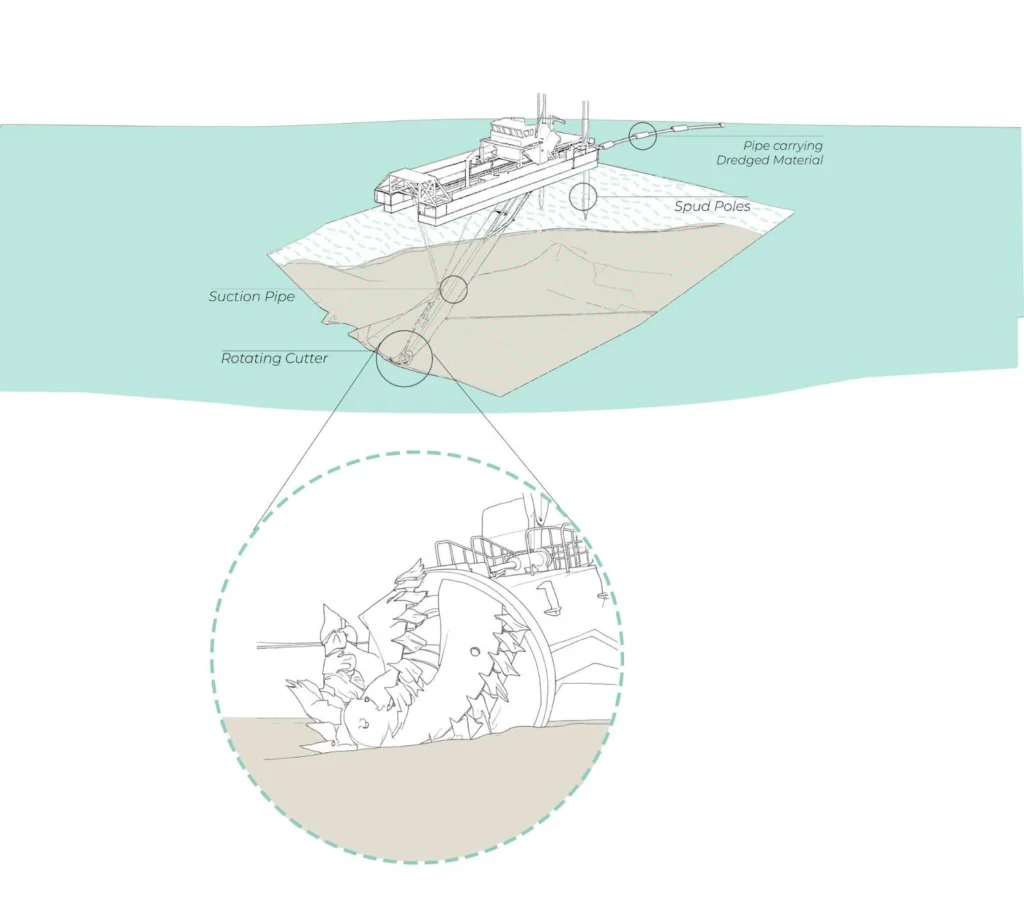
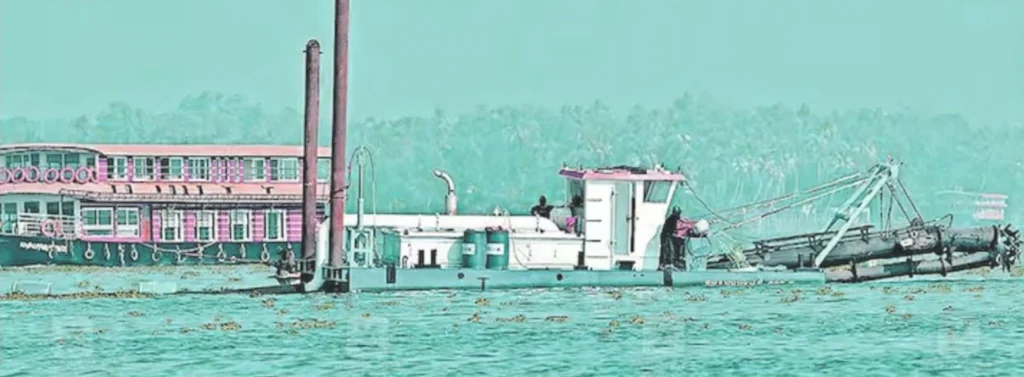
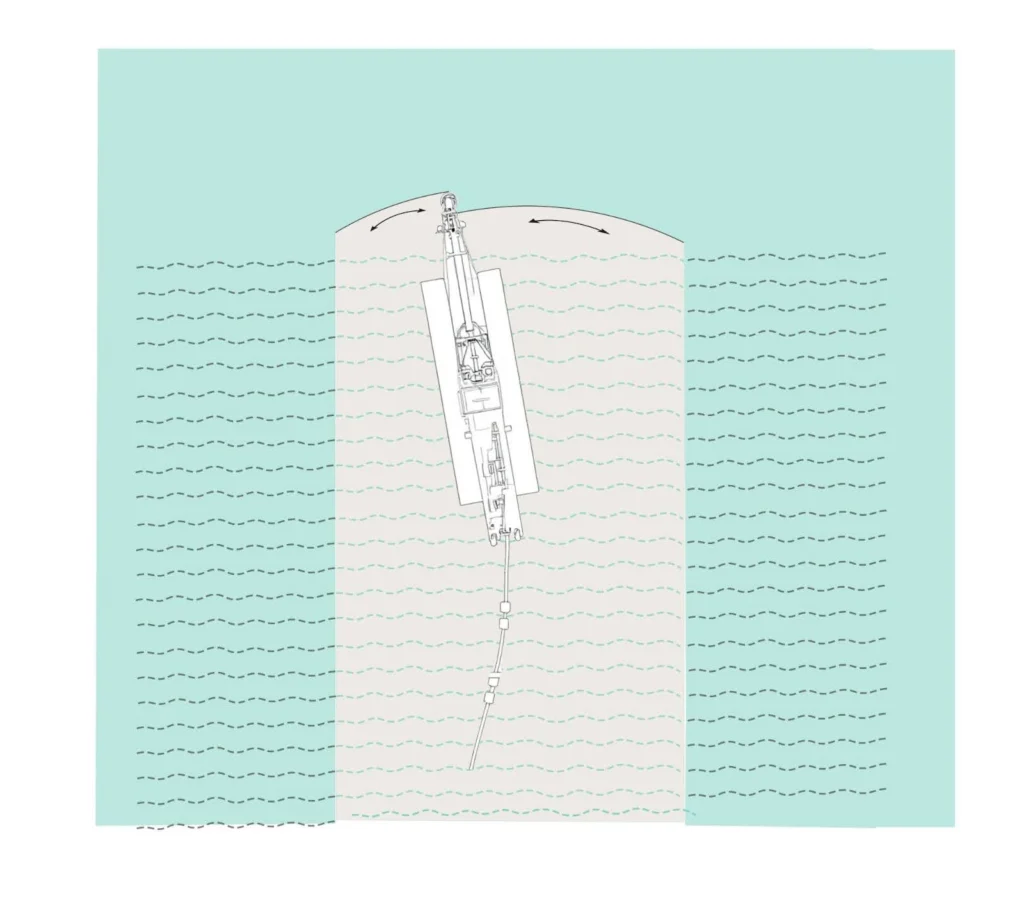
At the Aryad site, the operation uses a cutter-suction dredger, which has a rotating cutter head with toothed blades that grind and loosen compacted layers of sand and silt, breaking them into a pumpable mixture. Immediately behind the cutter head, a powerful suction inlet draws in this slurry and transfers it into the dredger. Once lifted, the slurry travels through a discharge pipeline to the shore. The dredger stays fixed in place using its spud poles but pivots by switching its anchoring from one side to the other. When anchored on the left, it swings and excavates to the left; when anchored on the right, it works toward the right. This allows it to cover roughly twenty metres of area in each cycle. Dredging is being carried out in the stretch from 0.5 km to 1 km. Between February and July 2025, around forty-two thousand cubic metres of sand were removed from the designated zone.
Dredging was carried out in Vembanad Lake up to a depth of 20 meters, not too long ago. The process carried out at this depth also stirs up layers of deep-lying sediment, disturbs aquatic habitats, and alters the natural rhythms of the lake. It disrupted the natural habitats of fish that normally breed and thrive in shallower waters, leading to a sharp decline in fish. Fish move to areas farther from the disturbance, which leads to a decline in fish catch in the affected area. This decline has directly impacted the fishermen who depend on these waters. The situation was equally harsh for the clams. This destroyed the natural breeding beds they depend on. As a result, clam abundance in the dredged stretch drops sharply, and recovery is slow because clams need stable, undisturbed sediment to survive and grow.
The rising acidity and turbidity of the deeper waters further worsened the situation, depleting clams and driving fish and prawns away from the area. Traditional fishermen faced major challenges, as they could no longer anchor their canoes using poles or collect clams from such depths. With declining catches and unsafe conditions, many fishermen were forced to abandon fishing altogether, and tragically, one fisherman even lost his life in Rani Kayal due to increased depth.
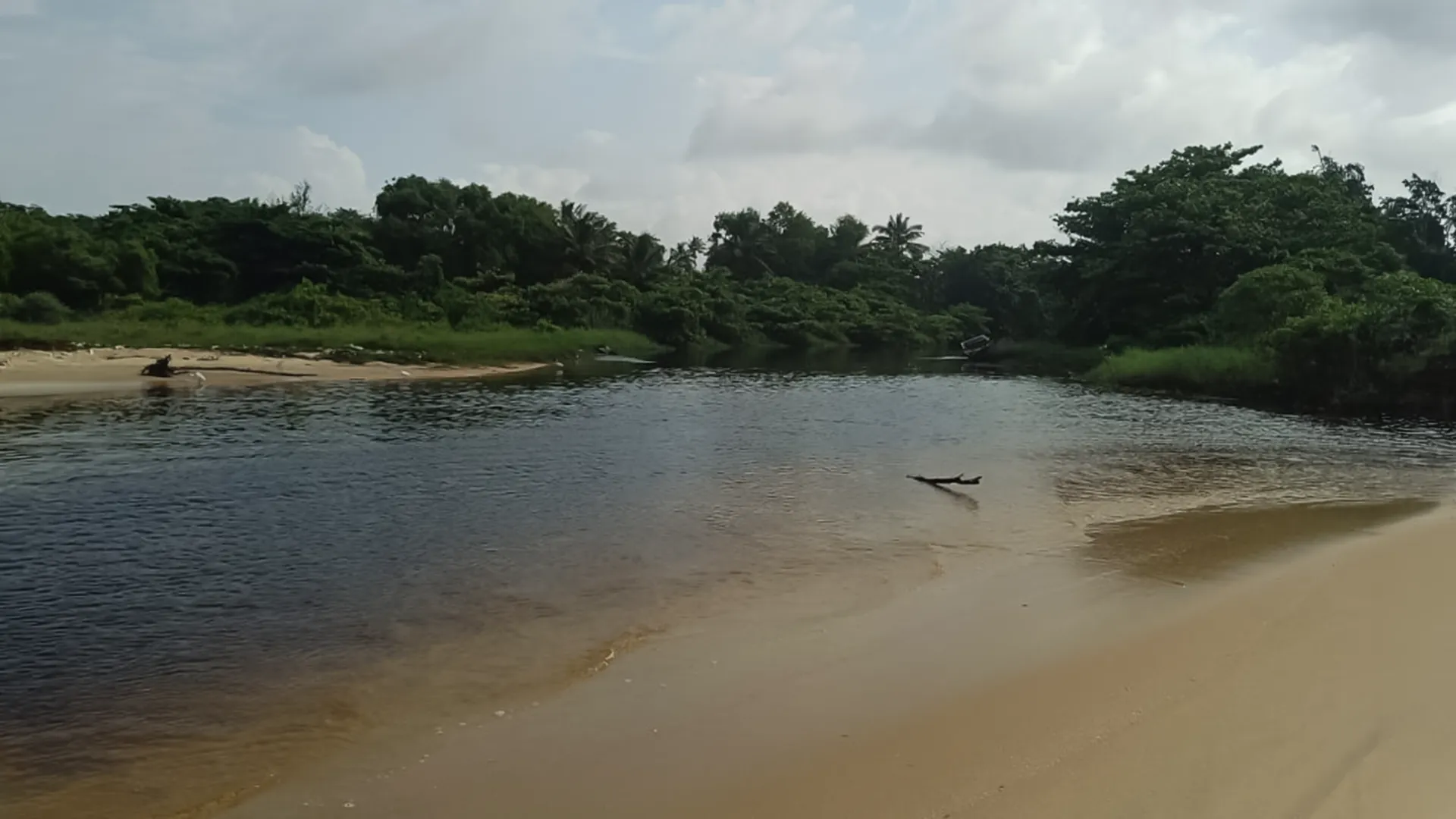
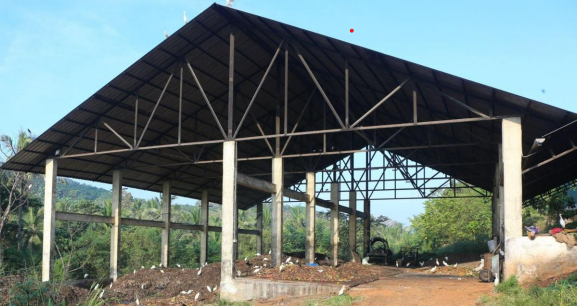
Once the dredged mixture of sand, silt, and water arrives onshore, it undergoes a structured treatment process before being transported for construction use. This process, while efficient for sand recovery, rapidly increases turbidity in the surrounding water. The murky water affects their day-to-day activities
Beyond ecology, the most visible impacts are on livelihoods. Due to silt accumulation along the banks, particularly up to about fifteen metres from the shore, houseboats no longer dock in these neighbourhoods. Many families living along the lake’s edge have long earned revenue by offering products and services to the tourist who visits through houseboats, often making up to ₹25,000 per month.
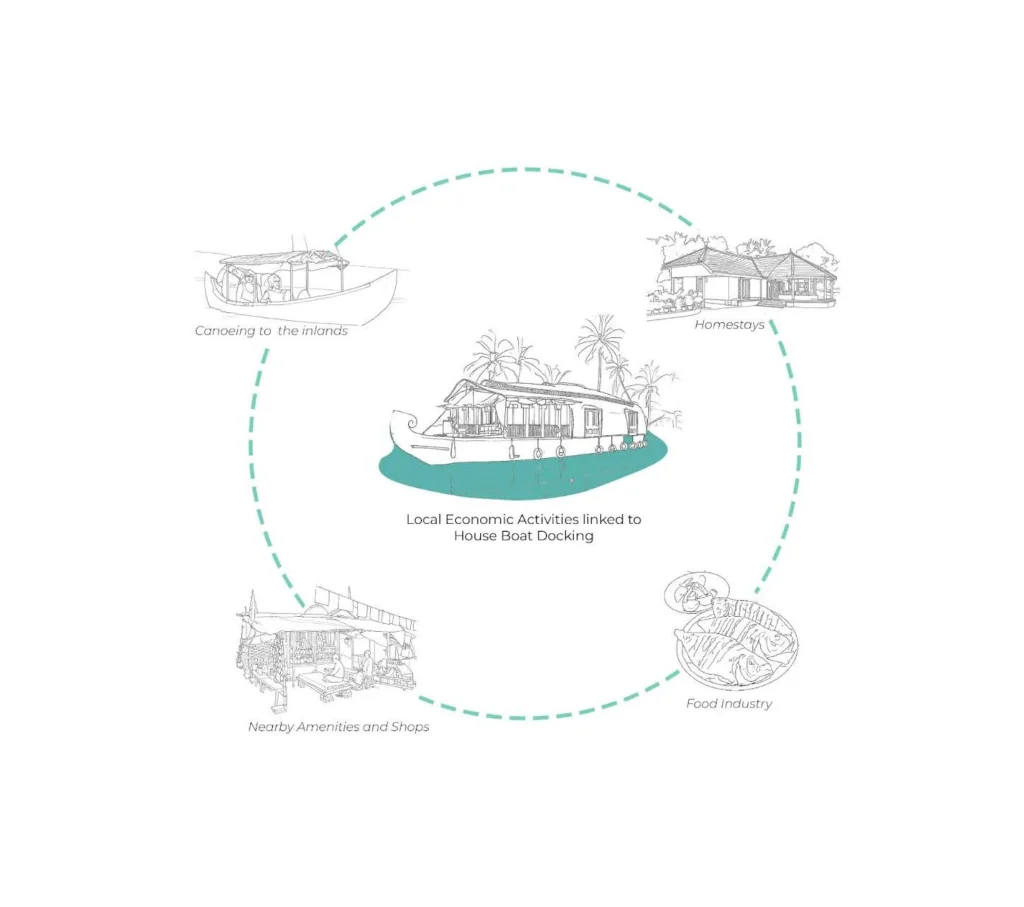
Others operate canoe services through narrow canals, earning between ₹1,000 and ₹2,000 per trip, while some run small homestays for the visitors. However, due to silt accumulation along the banks, particularly up to about fifteen metres from the shore, houseboats no longer dock in these neighbourhoods; households are losing several key livelihood opportunities, from tourism-related activities to small-scale services, cutting off multiple income streams at once. A houseboat operator who had leased land for docking has even filed a legal complaint after being unable to dock his three houseboats.
What begins as a necessary step for both land and lake can, if not carefully managed, leave traces of disruption that ripple far beyond the dredged stretch, reminding us that even efforts made with good intentions can cast unintended disruptions.
Steps Toward Recovery
A month ago, operations within a 300-metre buffer zone from the shore were designated as a no-dredging area. Even though this restriction came only after damage had already begun, it helped prevent further harm to the lake and its surroundings. Rajesh, a leader of the fishermen community, notes that these measures are only a starting point. Given the scale of the dredging, he believes stronger monitoring, better communication with locals, and stricter safeguards are needed to truly protect both livelihoods and the lake’s ecology.
Toward Progress with Care
The ongoing work for NH-66 development aims to strengthen transport links and improve regional connectivity, and sourcing sand from Vembanad reflects the practical need for locally available construction materials. Beyond this, from a broader ecological perspective, dredging also supports the lake by helping it regain its water-holding capacity, which has been diminishing as sediments continue to make it shallower. Yet the lake is a living system that supports diverse habitats, sustains local livelihoods, and anchors a growing tourism economy. Its continued health is essential to the region’s social and ecological balance.
These developments have brought several considerations to the forefront: the appropriate depth and distance limits, the clear outlining of no-dredge areas to safeguard sensitive parts of the lake, the frequency of dredging, and the time required for lake habitats to recover. Equally important is recognising the needs of the local communities who depend on the lake for their livelihoods and ensuring their concerns are incorporated into decision-making. Supporting them when their routines and income sources are disrupted is essential for achieving development that is both responsible and inclusive.
With thoughtful planning, through environmental and social assessments, seasonal considerations and meaningful engagement with residents, the goals of development and the long-standing rhythms of the lake can move forward together. Vembanad offers more than construction material; it shapes the region’s identity and daily life. With sensible management and consistent monitoring, development needs and the lake’s natural functions can coexist without significant harm.
Authors
Arya PR
Project Co-ordinator Vembanad Project Cell